I wrote a book. It’s a back-to-basics guide on coding for absolute beginners — whether adults or children, no prior experience required.
The idea was simple: computers are all around us, from traffic lights to cash machines. It just takes a little common sense to work out what makes them tick. So I filled it with puzzles and exercises that help you think logically, work within constraints and deconstruct problems. No computer required. Everyday situations become opportunities for coding.
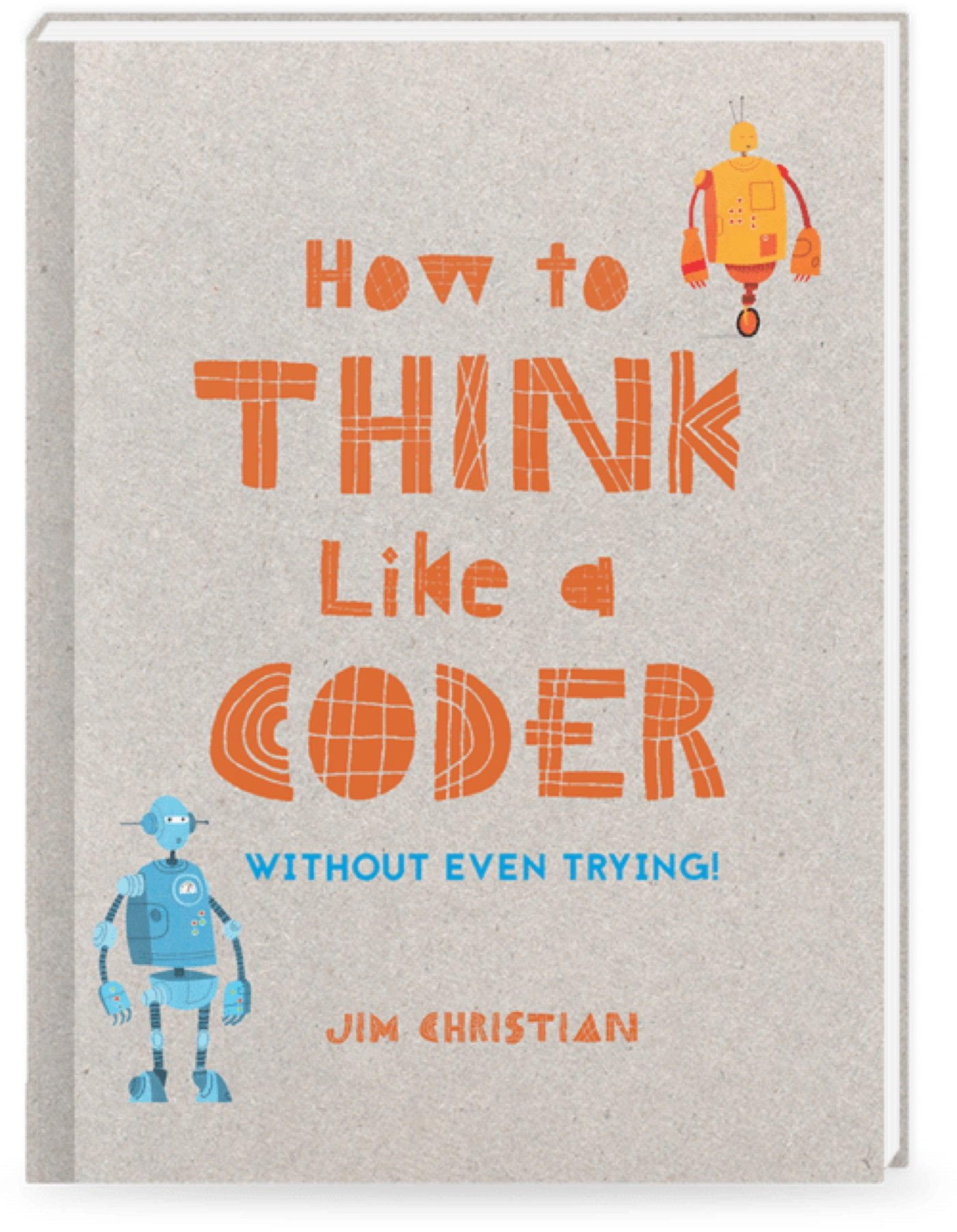
How to Think Like a Coder is designed to be a thorough yet lighthearted introduction for the complete beginner. I’m biased, obviously, but I think it turned out well — and apparently a few other people thought so too.
Shortlisted for the ALCS Educational Writer’s Award 2018
The ALCS Educational Writers’ Award celebrates outstanding examples of the best non-fiction that stimulates or enhances learning. The 2018 ceremony was held in the House of Commons as the Brexit draft agreement voting took place — so that was a strange afternoon.
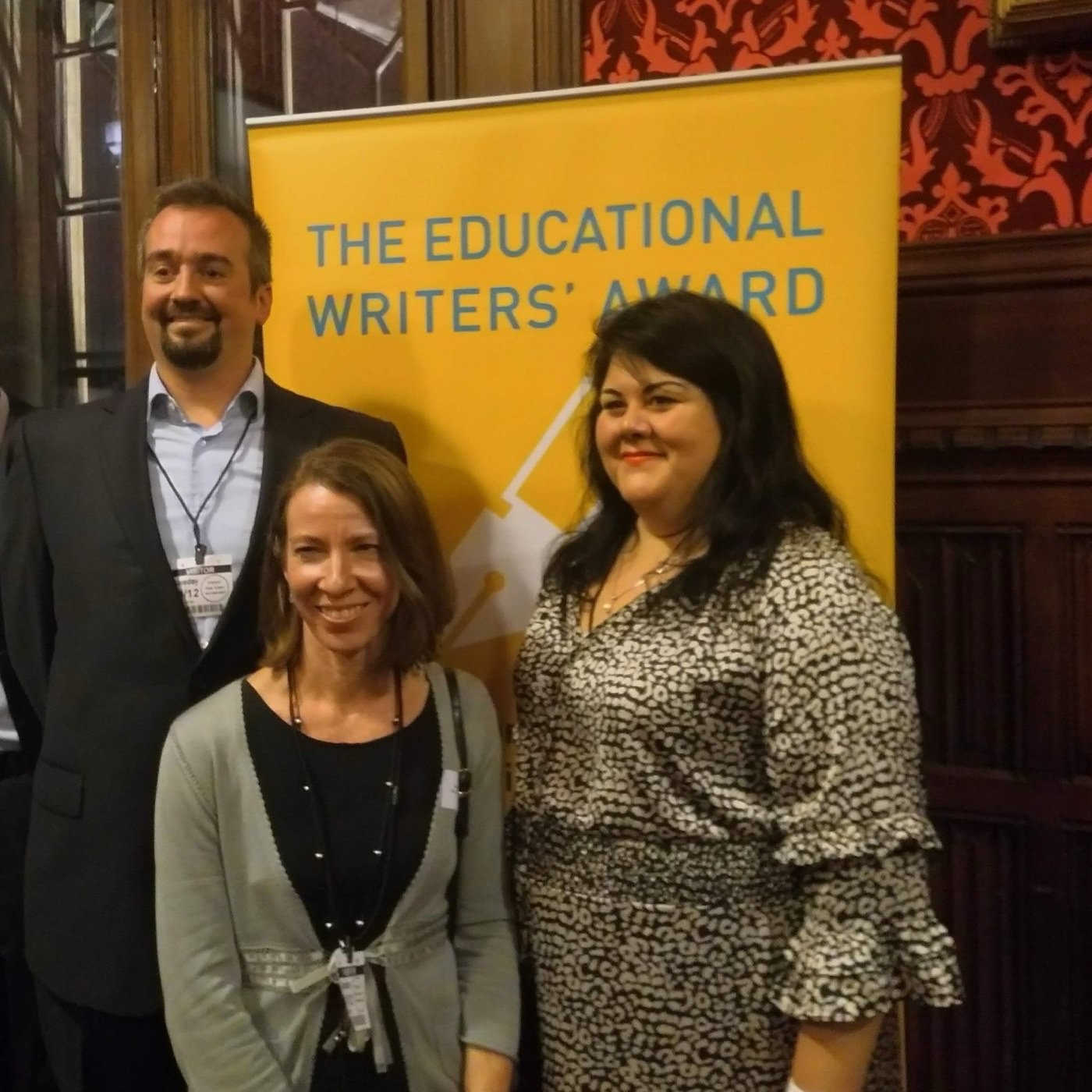
Here’s what the judges had to say:
“This step-by-step guide for absolute beginners does exactly what it says on the cover, introducing key concepts in a very straightforward and accessible way. Offering a fine balance between information and fabulous illustrations, this colourful book provides a wonderful, rather substantial taster to a subject on the rise.”
Book Aid International’s Book of the Month, September 2019
This one meant a lot. Book Aid International works with public, community and prison libraries to ensure the books they provide are available to all without discrimination. They also work to increase the support available to people as they begin to read by training librarians and teachers.
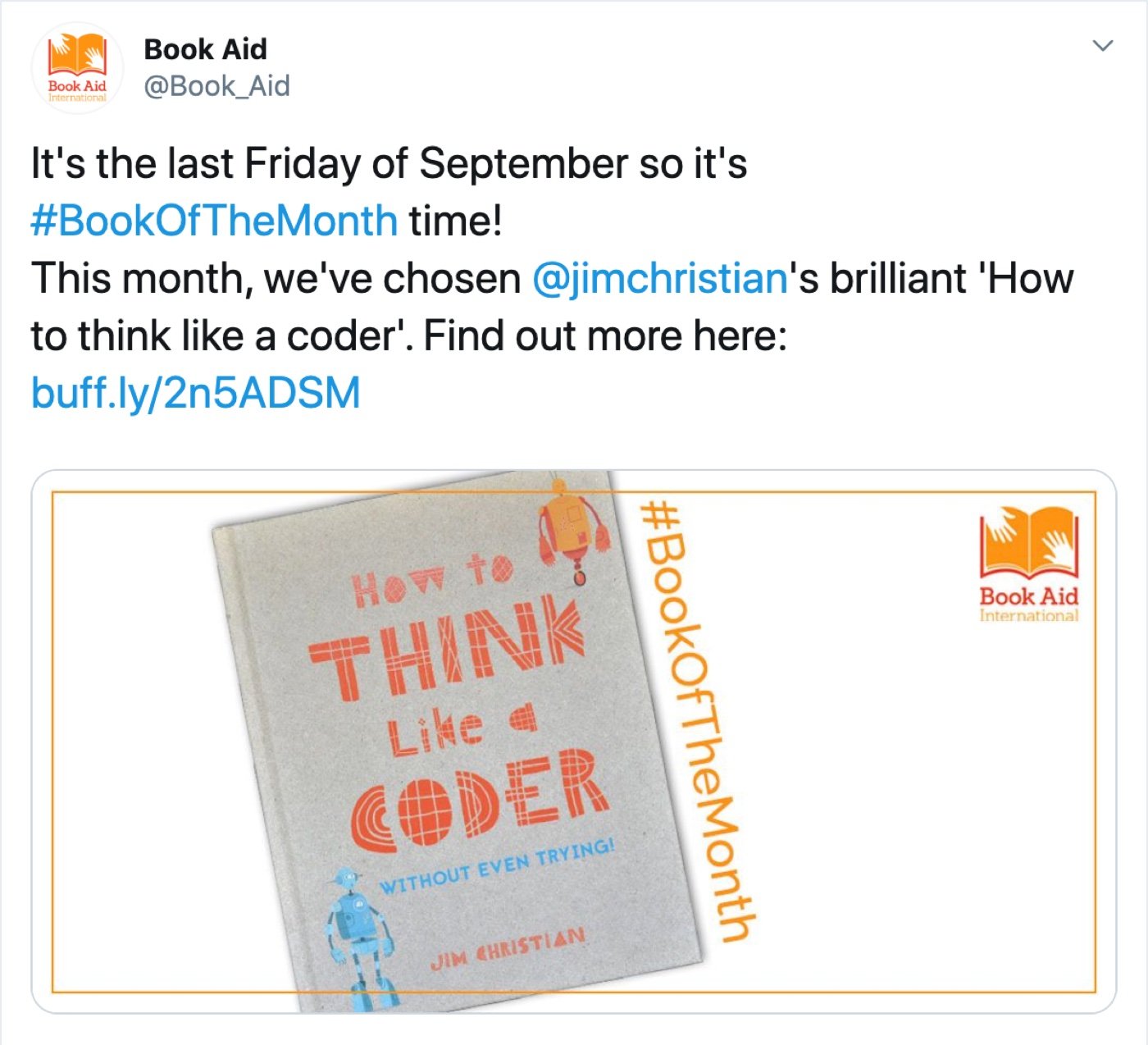
Here’s what they had to say:
“The fun exercises it includes can easily be done at home, in the library or the classroom without the need for a computer. As a result this book will be an invaluable resource for community libraries and schools that do not have ICT facilities (or even electricity) but which want to give young readers and learners the opportunity to keep up with their counterparts across the world.”
Copies of “How to Think Like a Coder…” have been distributed to many of their partners with community library networks including the Uganda Community Library Association’s libraries. The idea that a book I wrote in my home office is sitting in a library in Uganda is — I don’t have a word for it. That’s the best thing that’s happened to me professionally.